Start Making Scents
With a tip of the hat to classical rock artists Talking Heads…
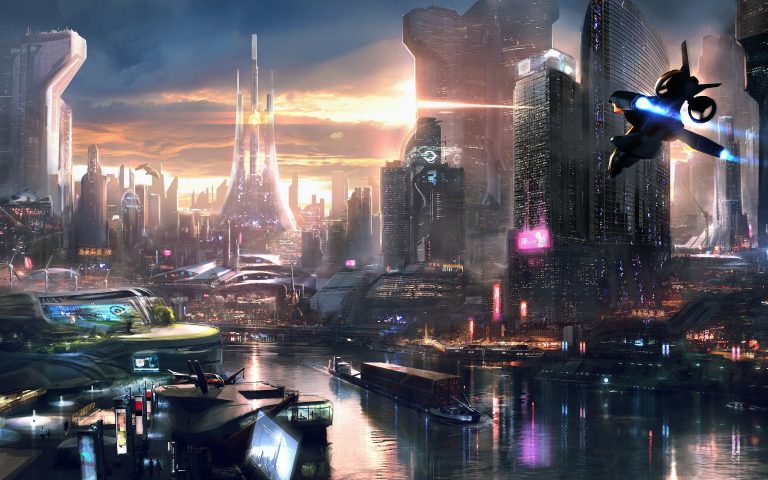
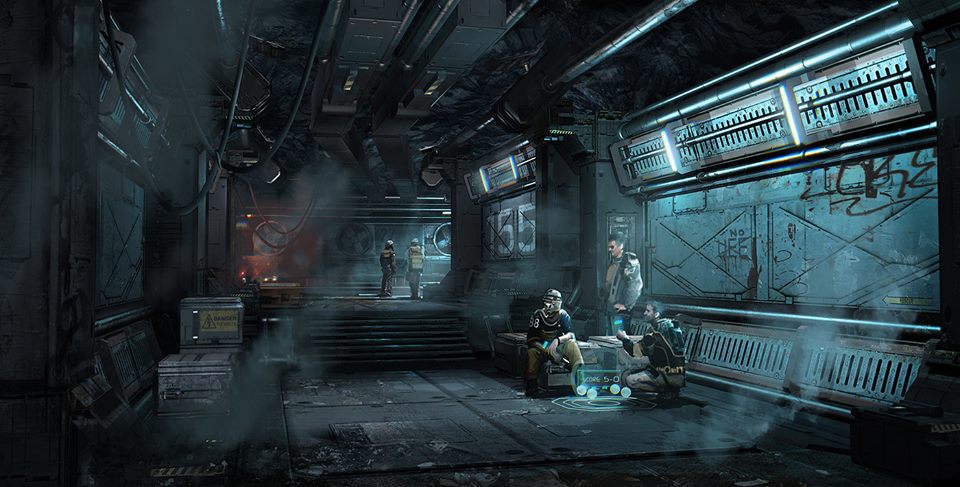
Worldbuilding is an interesting and fun plaything for authors. We get to craft places and universes that don’t really exist. For the most part, most new authors focus on what can be seen. We’re used to relying on our optical systems, whether they’re natural gelatin-filled organic orbs or the latest in high-tech cyber prosthetic implants. Describing what we can see tends to be the easiest part of the process, so many newbies start and stop with that one sensory input.
This can be an unfortunate mistake. To really craft a world that seems almost real enough to touch or transport to, one must add in the rest of the senses to ground that reality in the wetware of the readers, assuming their brains were not digitized and uploaded.
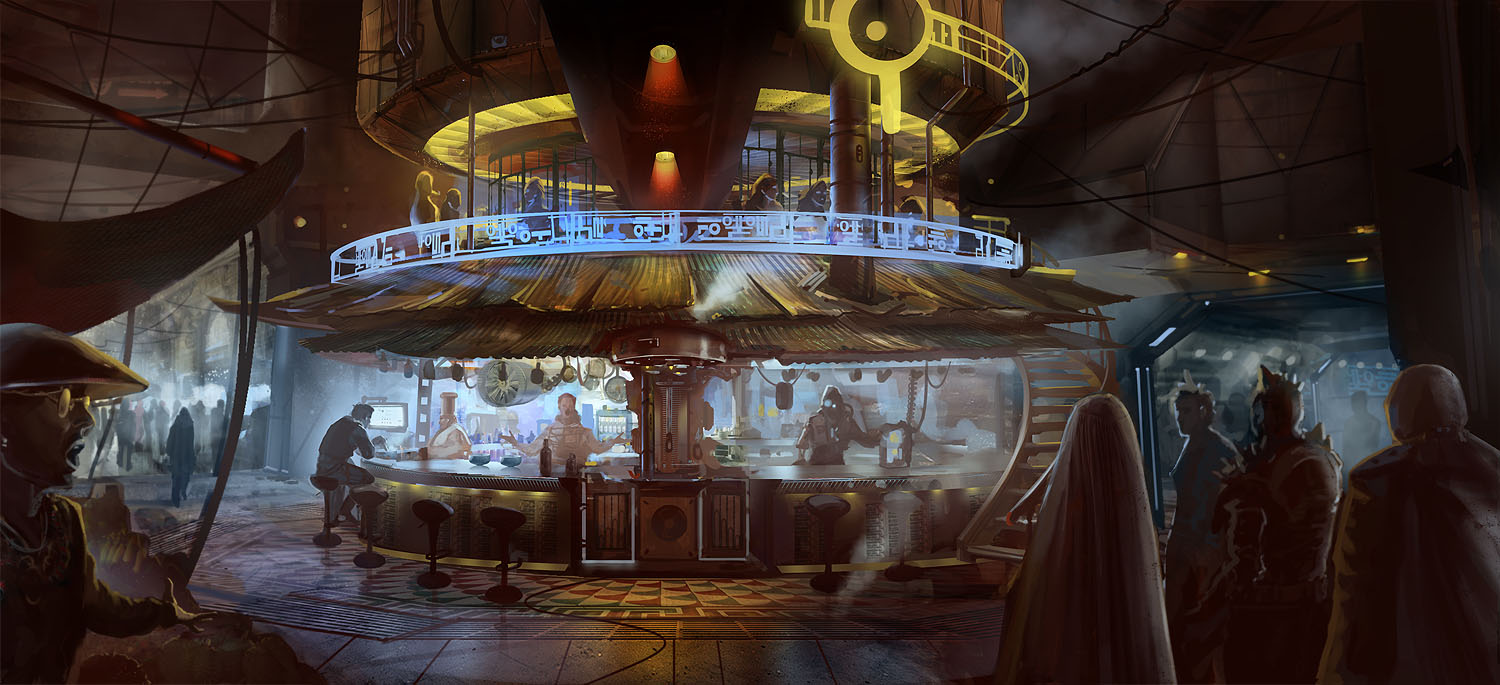
Take, for example, this futuristic bar. We can discuss the glaring neon lights and the overall structure, but all that does is explain the form. We need to add in the other details to bring it to life.
How does this place smell? Is it a pleasant spot with hints of jasmine? Is it reeking from the body odor of drunkards and spilled stale beer? The difference can go a long way in describing what it is like when a character strolls through the front door. Is the android waitress dressed in a fine tailored uniform, smiling as she conducts you and your date to one of the more romantic tables with sweet flowers in the center? Or is the android waiter a poorly disguised male sexbot whose joints are all leaking acrid hydraulic fluid, wearing the minimum of clothing legally required and with some food prep software cobbled together and uploaded into his brain? Is the floor clean and smelling like lemon wax or does it have vomit, blood, and watered-down booze stenches competing for your nostrils? It’s easy to take the same visual image and change it from a high-class hot spot to a dive on the dangerous side of town.
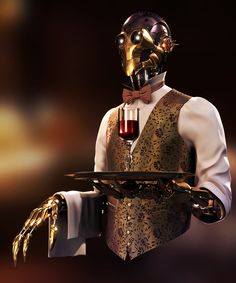 How about the sounds? Is there high-pitched noises of fine crystal stemware tapping together in a toast? Is the live entertainment a string quartet playing Bach? Or does the sound of grungy death metal assault your ears as soon as you step inside, competing with arguing and fighting clientele?
Touch can also help a reader to feel connected, no pun intended. Is the bar top sticky from spilled drinks and drool from the passed-out construction laborer who desperately needs a shower sitting next to you? Or is it slick and dustless, carefully cleaned just before you sat down for a nice single-malt scotch, neat? Did bug guts crackle and ooze under your shoes, or was there expensive carpeting installed to ensure firm footing?
Even taste can come in handy. Have you ever walked into a place and immediately felt that your tongue needed to be washed from the cloying odors in the atmosphere? Maybe there’s another lowlife at the bar who keeps burning his plastic credit cards as they’re rejected by the payment processor, the thick smoke sticking to everything including your taste buds.
We’ve been discussing one tiny bar in the middle of nowhere, and I hope you can see how we’ve been able to change it to radically different businesses based on the oft neglected senses. Now imagine how your entire city, or even the entire world, can become more “real” if you just added a few more details.
It’s time for you to get back to work. Try not to spill any beer on the overworked android waiter.